

 English
 Español
 Deutsch
 中文简体
中文简体
Produktberatung
Ihre E-Mail-Adresse wird nicht veröffentlicht. Pflichtfelder sind mit gekennzeichnet.*
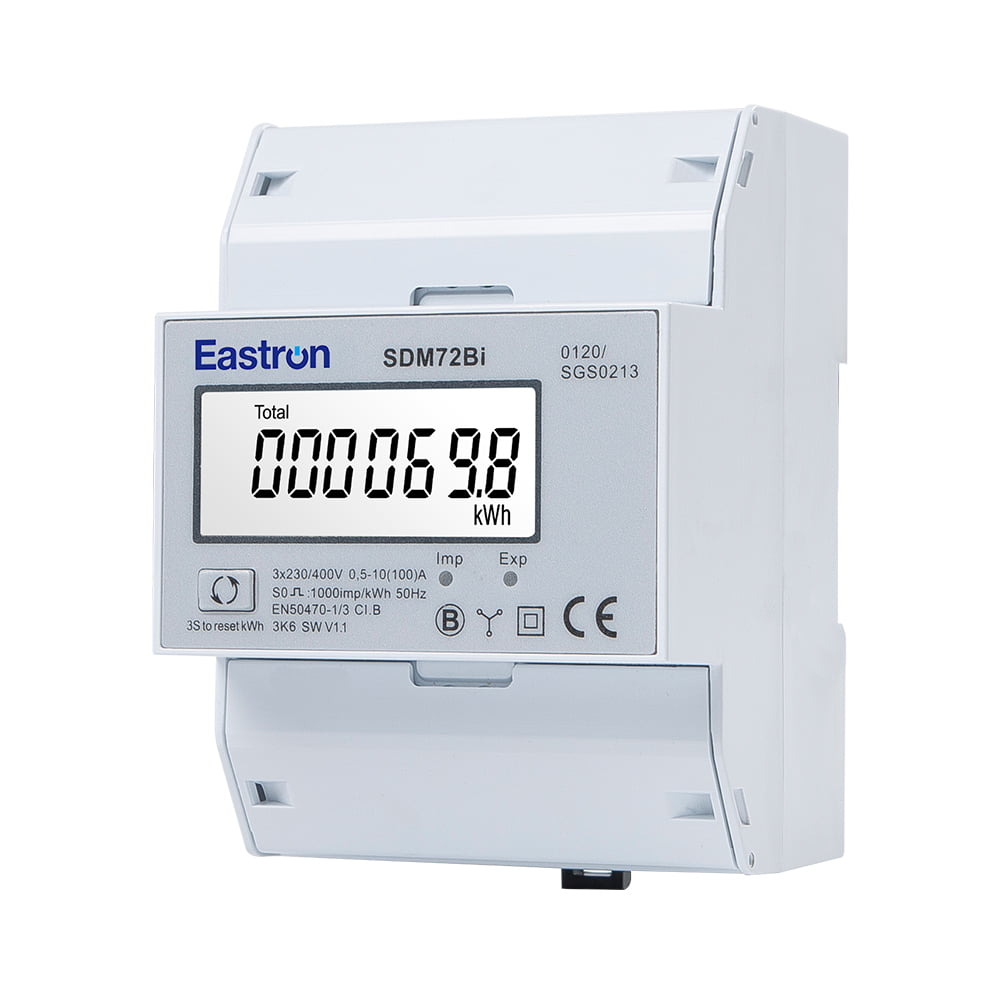
3-Phasen-kWh-Zähler mit Stromwandler: Praktischer Leitfaden zur Auswahl, Verkabelung und Genauigkeit
Oct 20,2026
3-Phasen-Energiezähler mit Stromwandler: So wählen, verdrahten und spezifizieren Sie den richtigen
Oct 14,2026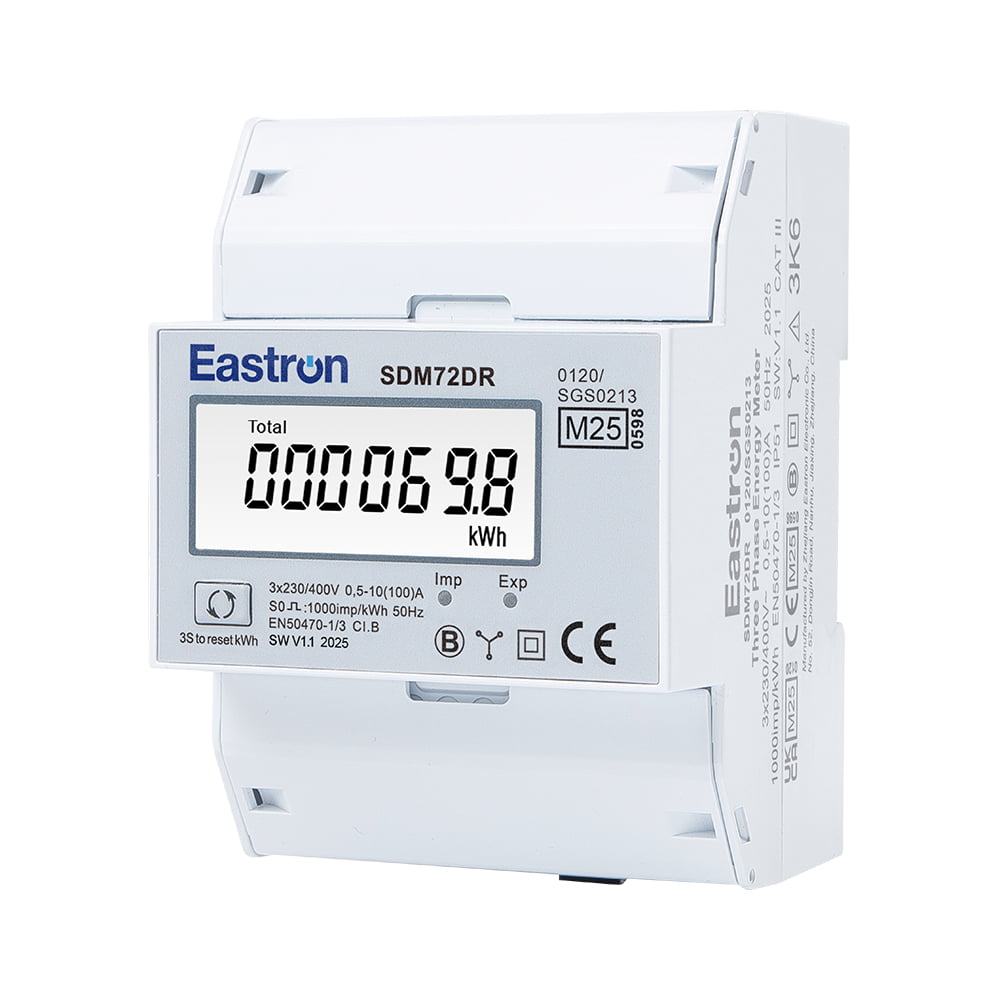
Leitfaden für 3-Phasen-CT-betriebene Energiezähler: Auswahl, Verkabelung und Genauigkeit
Oct 09,2026Inhalt
Ein DIN-Schienen-Energiezähler ist ein kompakter Stromzähler, der auf einer standardmäßigen 35-mm-Montageschiene in einem Schaltschrank befestigt wird. Für Schaltanlagenbauer, Elektroinstallateure und Anlagenteams ist dies in der Regel die schnellste Möglichkeit, einem Verteiler eine genaue Energiemessung hinzuzufügen, ohne das Gehäuse neu zu gestalten. Die praktische Frage ist nicht, ob Sie eine benötigen, sondern welche Konfiguration zur Last, zur Verkabelung und zu den Daten passt, die Sie sammeln möchten.
Dieser Leitfaden geht durch die Entscheidungen, die am wichtigsten sind: Direktanschluss versus Stromwandler, einphasig versus dreiphasig, Kommunikationsoptionen, Genauigkeit und Zertifizierung sowie die anwendungsspezifischen Anforderungen, die das Feld oft einengen. Am Ende sollten Sie in der Lage sein, ein Messgerät zuverlässig zu spezifizieren und die häufigen Abweichungen zu vermeiden, die später zu Nacharbeiten führen.
Fazit zunächst: Liegt die erwartete Belastung unter etwa 100 A, ist ein direkt angeschlossener Zähler einfacher, günstiger und erfordert keine zusätzliche Hardware. Darüber hinaus ist ein CT-betriebenes Messgerät die Standardwahl, da die Stromwandler die Messung sicher skalieren und das Messgerät selbst kompakt halten.
Bei einem direkt angeschlossenen Zähler fließt der volle Laststrom durch die Zähleranschlüsse. Dies eignet sich gut für Endverteilerkreise, kleine Maschinen und Wohn- oder Gewerbeschalttafeln, bei denen der Strom selten die Nennleistung des Messgeräts überschreitet. Direkt angeschlossene DIN-Schienenzähler haben üblicherweise eine Nennleistung von 45 A oder 100 A und lassen sich mit minimalem Zubehör schnell installieren.
Im Gegensatz dazu misst ein CT-betriebener Zähler den Sekundärausgang externer Stromwandler, normalerweise 1 A oder 5 A. Diese Anordnung wird für Unternetze, große Motoren und Einspeisungen bevorzugt, bei denen es unpraktisch oder unsicher wäre, den vollen Strom durch einen Zähler zu leiten. Es gibt Ihnen auch Flexibilität: Sie können das CT-Verhältnis an die tatsächliche Last anpassen, anstatt an eine feste Nennleistung gebunden zu sein.
| Rücksichtnahme | Direkt verbunden | CT-operiert |
|---|---|---|
| Typischer Strombereich | Bis 100 A | Über 100 A über 1 A- oder 5 A-Stromwandler |
| Installation | Einfach, keine externe Hardware | Erfordert separate Stromwandler und Verkabelung |
| Kosten | Niedriger | Höher, wenn CTs einbezogen werden |
| Flexibilität | Feste Bewertung | Das CT-Verhältnis kann geändert werden |
| Typische Anwendungen | Endstromkreise, kleine Panels | Nebennetze, große Lasten, Hauptmessung |
Wenn der Stromkreis dreiphasig ist und der Strom über dem Direktverbindungsgrenzwert liegt, a Dreiphasen-CT-betriebener Multifunktions-Energiezähler ist eine praktische Option. Es akzeptiert den Sekundärausgang von Standard-Stromwandlern und passt dennoch in die gleiche DIN-Schienen-Grundfläche, wodurch die Schalttafelanordnung konsistent bleibt.
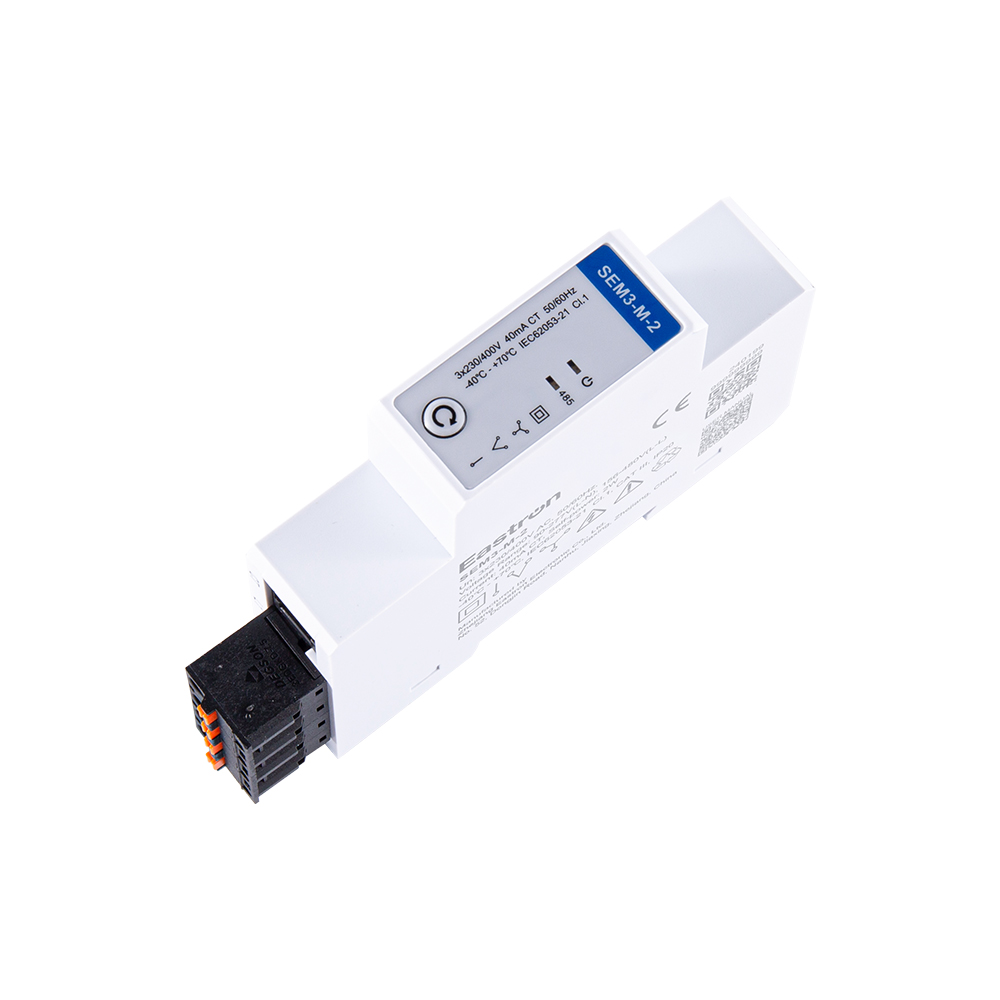 SEM3-M-2 DIN-Schienen-Typ RS485 Modbus Dreiphasen-Multifunktions-Energiezähler mit Eastron ist ein chinesischer SEM3-M-2 DIN-Schienen-Typ RS485-Modbus-Dreiphasen-Multifunktions-Energiezähler mit CT-Anschlussherstellern und kundenspezifischen ... Produkt anzeigen →
 Wenn die Versorgung einphasig ist, wählen Sie einen einphasigen Zähler. Wenn die Versorgung dreiphasig ist, wählen Sie einen Drehstromzähler. Das klingt offensichtlich, aber die Frage stellt sich dennoch, da einige Lasten an der Grenze sitzen: ein dreiphasiger Anschluss, der hauptsächlich einphasige Beleuchtung speist, oder ein kleiner dreiphasiger Motor, der weniger als 10 A verbraucht.
Einphasige DIN-Schienenzähler nehmen typischerweise zwei bis vier Modulbreiten ein und messen Spannung, Strom, Wirkleistung und Energie an einem stromführenden Leiter. Dreiphasenzähler sind breiter, in der Regel sieben Module oder mehr, und messen alle drei Phasen unabhängig voneinander. Bei einer unsymmetrischen dreiphasigen Last ist die unabhängige Phasenmessung wichtig, da die Gesamtenergie nicht einfach das Dreifache des Messwerts einer Phase beträgt.
Es gibt auch einen praktischen Wohnunterschied. Ein Einphasenzähler passt problemlos in eine kleine Verbrauchereinheit, während ein Dreiphasenzähler in einen Verteilerkasten passt und Platz für das breitere Gehäuse und größere Anschlüsse bietet. Überprüfen Sie vor der Spezifikation den physischen Platz im Gehäuse sowie die Stromversorgung. Die meisten Schalttafelbauer haben einen Vorrat an elektronische kWh-Zähler Genau aus diesem Grund gibt es sie sowohl in einphasiger als auch in dreiphasiger DIN-Schienen-Ausführung.
Wählen Sie die Kommunikationsoption vor dem Kauf, nicht danach. Wenn der Zähler nur eine lokale Anzeige oder einen SPS-Zählereingang versorgen muss, reicht ein Impulsausgang aus. Darüber hinaus verwandelt die serielle oder drahtlose Kommunikation den Zähler von etwas, das Sie manuell ablesen, in etwas, das automatisch ein Energiemanagementsystem speist.
Die Impulsausgabe ist die einfachste. Der Zähler gibt eine feste Anzahl Impulse pro kWh aus, meist über ein Relais oder eine LED, und das Empfangsgerät zählt diese. Es ist leicht zu verstehen, es fehlen jedoch die umfangreicheren Echtzeitdaten eines vollständigen Registerlesevorgangs.
RS485 Modbus RTU ist das am häufigsten verwendete Protokoll bei der DIN-Schienen-Messung. Es ermöglicht bis zu 32 Geräte an einem Daisy-Chain-Bus, und jeder Zähler kann nach Spannungs-, Strom-, Leistungs-, Energie- und Bedarfswerten abgefragt werden. M-Bus spielt eine ähnliche Rolle bei Installationen im Versorgungsstil in Teilen Europas. Bei drahtlosen Projekten entfällt bei den WiFi- und LoRaWAN-Versionen die Verkabelung vollständig, und Ethernet-Modbus-TCP-Zähler werden häufig in Rechenzentrums- und Gebäudemanagementsystemen eingesetzt. Für kleinere Installationen sind WLAN-fähige Messgeräte praktisch, da sie ohne zusätzliche Gateways direkt mit einem Gebäudenetzwerk verbunden werden können, weshalb sie bei Heimautomatisierungs- und leichten Gewerbeprojekten so häufig zum Einsatz kommen.
Schnelle Datenaktualisierungsraten sind bei Steuerungsanwendungen wie Solar-Null-Export wichtig, bei denen der Zählerstand zur Drosselung des Wechselrichters verwendet wird. Einige DIN-Schienenzähler aktualisieren ihre Leistungs- und Energieregister alle 50 ms. Wenn Sie Kommunikationsoptionen für einen bestimmten Standort vergleichen, beachten Sie die praktischen Hinweise zu So wählen Sie den richtigen Energiezähler für Ihre Anwendung aus Gehen Sie ausführlicher auf die Kompromisse zwischen Puls, Seriell und Wireless ein.
Die Genauigkeit des Messgeräts wird als Klassenzahl ausgedrückt. Klasse 1 ist der Standard für die meisten DIN-Schienen-kWh-Zähler und eignet sich für Unterzähler, interne Kostenzuordnung und allgemeine Überwachung. Messgeräte der Klasse 0,5S verkleinern den Messfehler und werden dort eingesetzt, wo Verluste, Stromqualität oder Abrechnungsdaten von Bedeutung sind. Niedrigere Klassenzahlen bedeuten eine höhere Genauigkeit, und der Unterschied wird bedeutsam, wenn Sie die Energie über einen gesamten Standort hinweg abgleichen.
Die Zertifizierung ist eine von der Genauigkeit getrennte Entscheidung. Die MID-Genehmigung ist die Standardvoraussetzung für die gesetzliche Messung und Unterabrechnung in der Europäischen Union. Ein MID-zertifiziertes Messgerät wurde auf Genauigkeit, elektromagnetische Verträglichkeit und Umweltbeständigkeit getestet und kann für Transaktionen zwischen Parteien verwendet werden. Für nordamerikanische Märkte bestätigen UL/ETL-Listungen, dass das Produkt die von Prüfern und Versorgungsunternehmen akzeptierten Sicherheits- und Leistungsanforderungen erfüllt.
Gehen Sie nicht davon aus, dass Genauigkeitsklasse und Zertifizierung dasselbe sind. Ein Zähler kann der Klasse 0,5 angehören, aber nicht MID-zugelassen sein, und ein Zähler der Klasse 1 kann für die Abrechnung nach MID völlig legal sein. Bestätigen Sie die Zertifizierung, die die lokale Behörde oder die Projektspezifikation tatsächlich verlangt, insbesondere für die Messung der Ladeerlöse von Elektrofahrzeugen und die Unterabrechnung für mehrere Mandanten.
Sobald die elektrischen Grundlagen geklärt sind, bestimmt normalerweise die Anwendung die verbleibenden Optionen. Bei der DIN-Schienenmessung tauchen immer wieder drei Szenarien auf, von denen jedes unterschiedliche Merkmale hervorhebt.
Ladestationen für Elektrofahrzeuge benötigen Messgeräte, die je nach Architektur Gleichstrom im Ladegerät oder Wechselstrom am Eingang verarbeiten. Gleichstrom-Schnellladegeräte verwenden typischerweise einen DIN-Schienen-Gleichstromzähler mit Shunt, während Wechselstromladegeräte einen MID-zugelassenen einphasigen oder dreiphasigen Zähler verwenden, wenn die Energie dem Fahrer in Rechnung gestellt wird. Auf der Gleichstromseite herrscht eine höhere Spannung und ein höherer Strom, daher muss das Messgerät über den richtigen Shunt und die richtige Isolationsleistung verfügen.
Für Ladegerätehersteller ist der Integrationspfad genauso wichtig wie die Messung selbst. A DIN-Schiene Gleichstrom-Energiezähler für Ladestationen für Elektrofahrzeuge Mit RS485-Modbus-Ausgang kann der Laderegler Spannung, Strom und Energie direkt lesen, ohne dass ein zusätzliches analoges Frontend erforderlich ist.
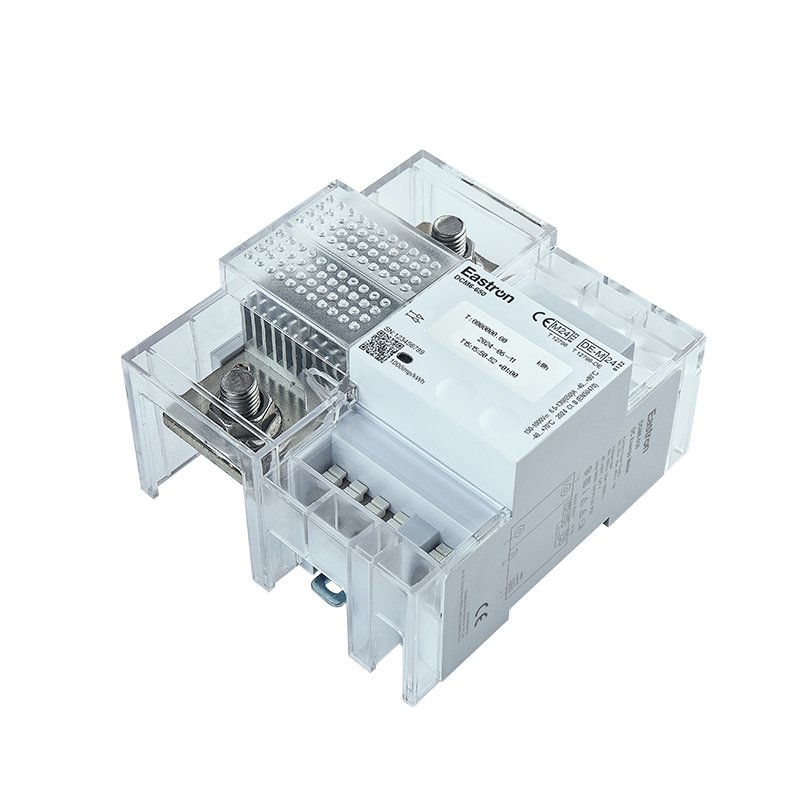 DCM6-650 MID/PTB/LNE-zugelassener DC-Stromzähler für DC-Ladestation für Elektrofahrzeuge Ma Eastron ist ein DCM6-650 MID/PTB/LNE-zugelassener DC-Stromzähler für DC-EV-Ladestationshersteller und kundenspezifische Zulieferer, Faktor... Produkt anzeigen →
 Solaranlagen benötigen bidirektionale Zähler, die sowohl importierte als auch exportierte Energie registrieren. Die Zero-Export-Steuerung bringt eine Zeitbeschränkung mit sich: Der Controller muss schnell genug reagieren, um zu verhindern, dass der Überschuss in das Netz zurückfließt, sodass die Datenaktualisierungsrate des Zählers und die Kommunikationslatenz kritisch werden.
Messgeräte zur PV-Überwachung müssen auch die gesamte AC-Leistung des Wechselrichters verarbeiten, entweder direkt oder über Stromwandler. A Dreiphasiger WiFi-DIN-Schienen-Energiezähler vom Typ CT für die PV-Messung ist eine praktische Konfiguration, da durch die drahtlose Kommunikation der Kabelweg zwischen dem Zähler und dem Wechselrichter oder Energiemanagement-Controller entfällt und der CT-Eingang den Zähler bei hohen Wechselrichterausgängen kompakt hält.
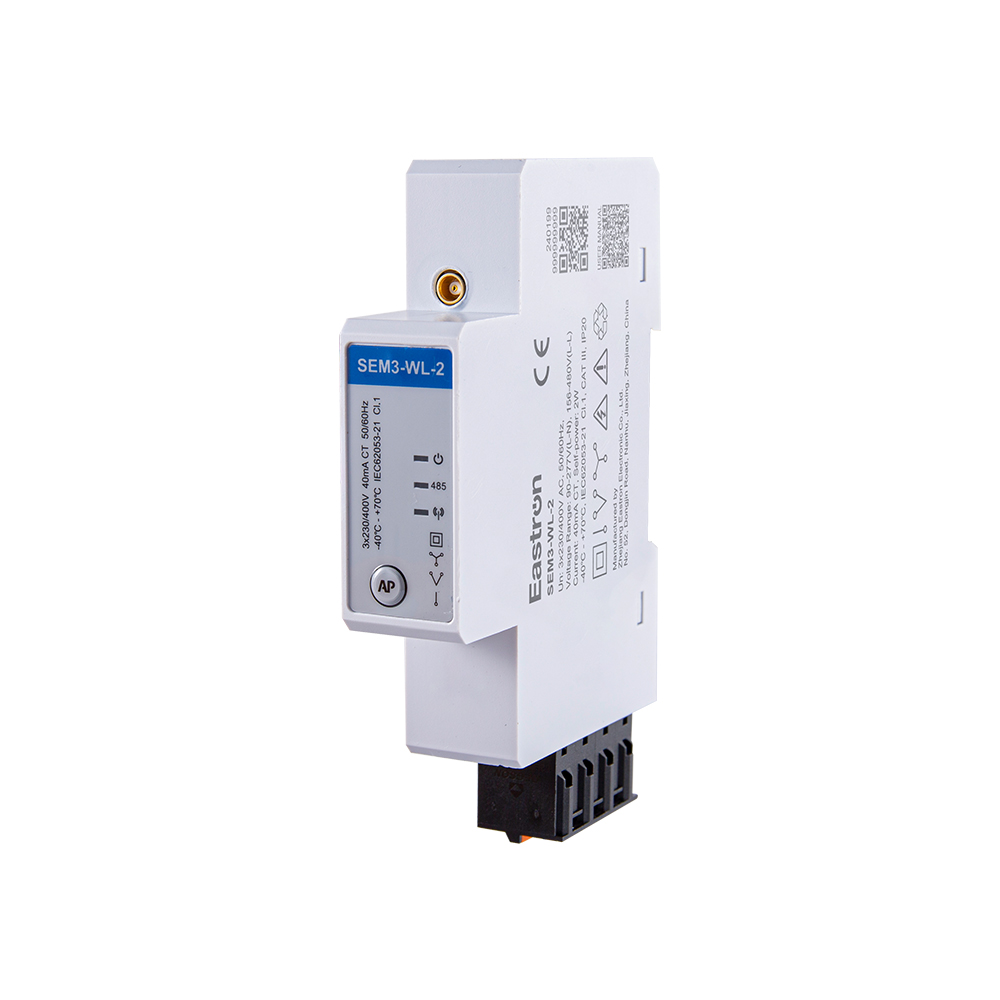 SEM3-WL-2 CT-Dreiphasen-Din-Schienen-WLAN-Energiezähler für die PV-Messung Eastron ist ein dreiphasiges Din-Schienen-WLAN-Energiemessgerät vom Typ SEM3-WL-2 CT in China für Hersteller und kundenspezifische Lieferanten von PV-Messgeräten, eine Fabrik, einfach ... Produkt anzeigen →
 Rechenzentren messen den Energieverbrauch auf PDU-, Rack- und Säulenebene. Mehrkreiszähler überwachen mehrere Verbraucher mit einem einzigen Gerät, was Schaltschrankraum spart und die Kosten pro Messpunkt senkt. Sie legen in der Regel Wert auf Ethernet Modbus TCP oder RS485, da die Daten zuverlässig eine zentrale Überwachungsplattform erreichen müssen. Überprüfen Sie die Kanalanzahl, die Kommunikationsgeschwindigkeit und ob jeder Stromkreis Werte pro Phase meldet, bevor Sie sich für ein Messgerät mit mehreren Stromkreisen entscheiden.
Die Montage eines DIN-Schienenzählers ist einfach, aber die Inbetriebnahme verdient Aufmerksamkeit. Stecken Sie das Messgerät auf die Schiene, überprüfen Sie den seitlich aufgedruckten Schaltplan und schließen Sie die Phasendrähte an den richtigen Klemmen an. Installieren Sie bei CT-Modellen die Transformatoren in der richtigen Ausrichtung um die Leiter herum und öffnen Sie niemals den CT-Sekundärstromkreis, während die Primärseite unter Spannung steht.
Überprüfen Sie nach dem Einschalten drei Dinge. Zunächst sollte auf dem Display die erwartete Richtung des Energieflusses angezeigt werden. Zweitens sollte der Leistungswert innerhalb einer angemessenen Toleranz mit der tatsächlichen Last übereinstimmen. Drittens: Wenn sich das Messgerät an einem Kommunikationsbus befindet, bestätigen Sie, dass Adresse, Baudrate und Parität mit denen des Master-Geräts übereinstimmen. Ein paar Minuten Inbetriebnahme ersparen später einen unübersichtlichen Datenstrom.
Der richtige DIN-Schienen-Energiezähler ist nicht unbedingt der funktionsreichste. Es ist das Messgerät, das zum aktuellen Bereich, der Versorgungskonfiguration, dem Kommunikationssystem und allen für den Standort geltenden gesetzlichen Messanforderungen passt. Beginnen Sie mit der Entscheidung direkt oder CT, bestätigen Sie einphasig oder dreiphasig und fügen Sie dann Kommunikation und Zertifizierung hinzu. In Kombination mit einer klaren Sicht auf die Anwendung machen diese Entscheidungen die Auswahl einfach.
Ihre E-Mail-Adresse wird nicht veröffentlicht. Pflichtfelder sind mit gekennzeichnet.*

Wir entwickeln und produzieren leistungsstarke Stromzähler, Leistungsanalysatoren, Stromsensoren, Kommunikationsmodule und Managementsysteme. Hersteller und Fabrik für kundenspezifische Smart Meter in China
Adresse: zhejiang in der südchinesischen provinz kainan road 52
Urheberrechte © @ Eastron Electronic Co., Ltd. Alle Rechte vorbehalten Hersteller von Stromzählern
