

 English
 Español
 Deutsch
 中文简体
中文简体
Produktberatung
Ihre E-Mail-Adresse wird nicht veröffentlicht. Pflichtfelder sind mit gekennzeichnet.*
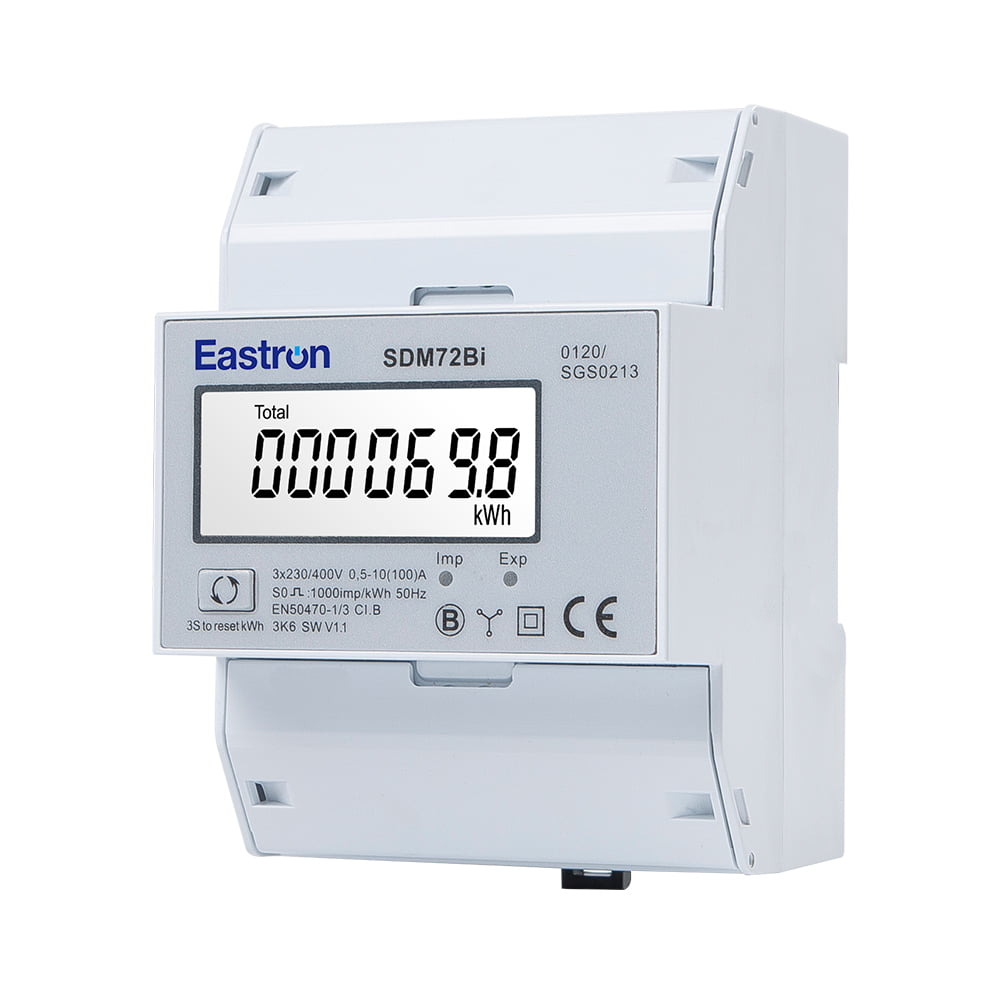
3-Phasen-Energiezähler mit Stromwandler: So wählen, verdrahten und spezifizieren Sie den richtigen
Oct 14,2026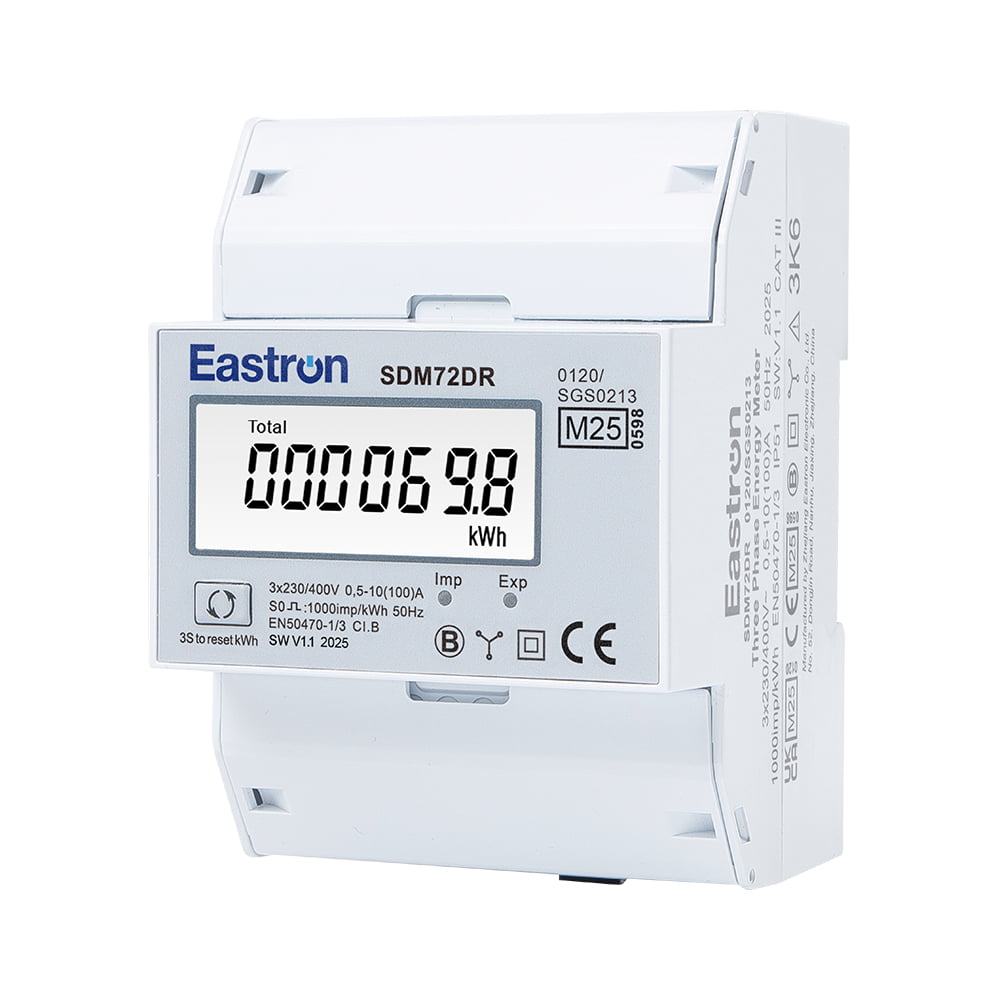
Leitfaden für 3-Phasen-CT-betriebene Energiezähler: Auswahl, Verkabelung und Genauigkeit
Oct 09,2026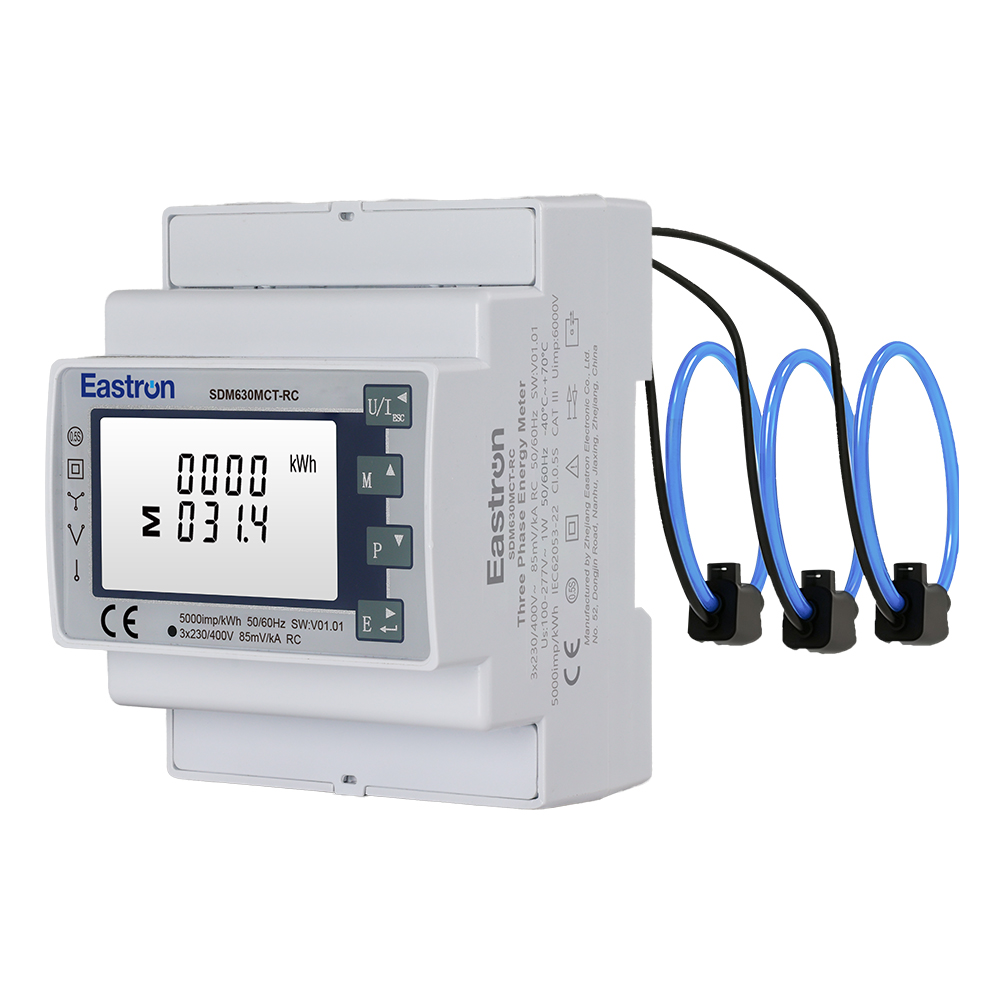
Leitfaden für 3-Phasen-CT-Messgeräte: Auswahl, Installation und Verkabelung von CT-betriebenen Messgeräten
Sep 28,2026Inhalt
Ein dreiphasiger MID-Energiezähler ist ein Strommessgerät, das zur Messung des Stromverbrauchs in dreiphasigen elektrischen Systemen entwickelt wurde und gleichzeitig der Messgeräterichtlinie entspricht, einem europäischen Regulierungsrahmen, der Genauigkeits- und Zuverlässigkeitsstandards für gesetzliche Messgeräte festlegt. Die MID-Zertifizierung bestätigt, dass ein Zähler strenge Typprüfungs- und Konformitätsbewertungsverfahren bestanden hat, wodurch er für Abrechnungszwecke in den Mitgliedsstaaten der Europäischen Union und anderen Regionen, die diesen Zertifizierungsstandard anerkennen, rechtlich zulässig ist.
Diese Messgeräte werden häufig in Gewerbegebäuden, Industrieanlagen und Mehrfamilienhäusern eingesetzt, in denen aufgrund der höheren elektrischen Lasten eine dreiphasige Stromversorgung Standard ist. Im Gegensatz zu einphasigen Messgeräten, die für den typischen Wohnbereich konzipiert sind, müssen dreiphasige Messgeräte den Strom und die Spannung über drei separate stromführende Leiter gleichzeitig genau messen. Dazu sind ausgefeiltere interne Messschaltungen erforderlich, um die Genauigkeit auch bei unterschiedlichen Lastbedingungen aufrechtzuerhalten.
Die MID-Zertifizierung ist nicht nur ein Qualitäts-Marketing-Label, sondern in vielen Ländern eine gesetzliche Anforderung für jeden Zähler, der bei der Abrechnung oder bei Finanztransaktionen im Zusammenhang mit dem Energieverbrauch verwendet wird. Wenn Käufer verstehen, was diese Zertifizierung tatsächlich garantiert, können sie fundierte Beschaffungsentscheidungen treffen.
MID-zertifizierten Messgeräten werden bestimmte Genauigkeitsklassen zugewiesen, am häufigsten Klasse B oder Klasse C für die Wirkenergiemessung, die den maximal zulässigen Fehler definieren, den das Messgerät unter verschiedenen Last- und Temperaturbedingungen aufweisen kann. Diese standardisierte Genauigkeitsklassifizierung ermöglicht es Versorgungsunternehmen, Vermietern und Mietern, darauf zu vertrauen, dass Abrechnungsberechnungen den tatsächlichen Energieverbrauch innerhalb einer gesetzlich festgelegten Fehlermarge widerspiegeln.
Über die Genauigkeit hinaus bestätigt die MID-Zertifizierung auch, dass das Design eines Messgeräts unbefugte Manipulationen oder Manipulationen verhindert, eine entscheidende Anforderung für jedes Gerät, das zur Berechnung von Finanzgebühren verwendet wird. Diese Konformität erstreckt sich auf versiegelte Gehäusekonstruktionen und sichere Firmware-Schutzmaßnahmen, die eine unbefugte Neukalibrierung verhindern, sobald das Messgerät installiert und in Betrieb genommen wurde.
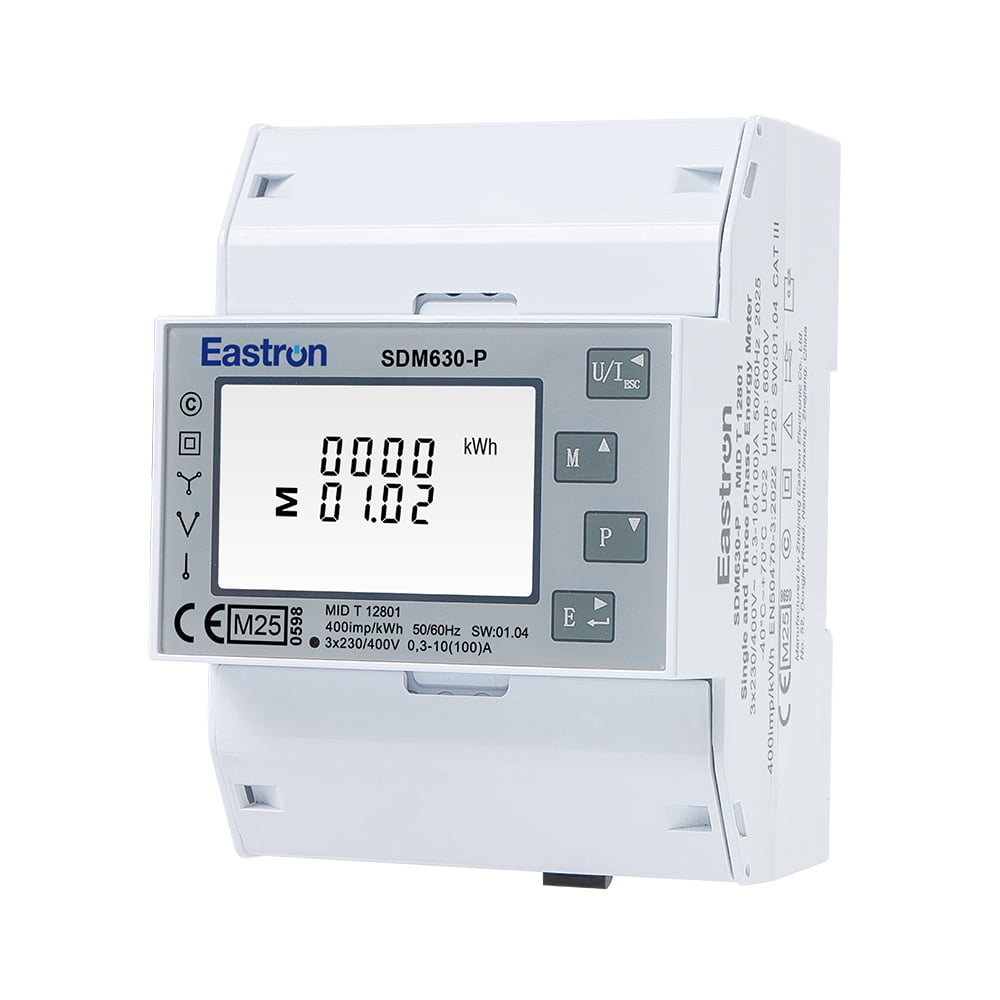
Dreiphasige MID-Energiezähler bieten eine Reihe praktischer Anwendungen überall dort, wo genaue, rechtlich vertretbare Energiemessungen für Abrechnungs- oder Kostenzuordnungszwecke erforderlich sind.
Bei der Auswahl eines dreiphasigen MID-Energiezählers wirken sich mehrere technische Spezifikationen direkt auf die Messgenauigkeit und die praktische Anwendbarkeit innerhalb einer bestimmten Installation aus.
Messgeräte verwenden typischerweise entweder einen direkten Anschluss für Anwendungen mit geringerem Strom oder einen Stromwandleranschluss für Systeme mit höherem Strom, bei denen eine direkte Verkabelung des Volllaststroms durch das Messgerät unpraktisch wäre. Die Auswahl der richtigen Messmethode basierend auf dem erwarteten Laststrom ist für die Aufrechterhaltung der Genauigkeit und die Vermeidung von Geräteschäden von entscheidender Bedeutung.
Moderne Dreiphasenzähler verfügen häufig über digitale Kommunikationsfunktionen wie Modbus RTU, RS485 oder Impulsausgang, sodass Verbrauchsdaten in Gebäudemanagementsysteme oder Fernüberwachungsplattformen integriert werden können. Diese Konnektivität wird immer wichtiger für Einrichtungen, die Energietransparenz in Echtzeit wünschen, anstatt sich ausschließlich auf regelmäßige manuelle Messwerte zu verlassen.
Die folgende Tabelle beschreibt gängige dreiphasige MID-Zählerkonfigurationen und ihre typische Eignung für verschiedene Installationsszenarien.
| Verbindungstyp | Typischer Strombereich | Gemeinsame Anwendung |
| Direkte Verbindung | Bis zu 100A | Submetering für kleine gewerbliche Mieter |
| Stromwandleranschluss | 100A bis mehrere tausend Ampere | Industrieanlagen, Verbrauchsmessung |
Die ordnungsgemäße Installation wirkt sich direkt auf die Genauigkeit und Zuverlässigkeit jedes dreiphasigen MID-Energiezählers aus, unabhängig von seiner zertifizierten Genauigkeitsklasse. Bei der Installation ist es von entscheidender Bedeutung, auf die korrekte Phasenfolge zu achten, da eine falsche Verkabelung zu ungenauen Messwerten führen oder in manchen Fällen dazu führen kann, dass das Messgerät den Verbrauch über alle drei Phasen nicht korrekt erfasst.
Wenn Stromwandler verwendet werden, trägt die Auswahl des richtigen Wandlerverhältnisses passend zum erwarteten Laststrombereich dazu bei, die Messgenauigkeit über den gesamten Betriebsbereich aufrechtzuerhalten, während überdimensionierte Transformatoren die Genauigkeit bei niedrigeren Lastniveaus verringern können. Durch die Zusammenarbeit mit einem qualifizierten Elektriker, der mit den MID-Messanforderungen vertraut ist, können Sie sicherstellen, dass die Installationen von Anfang an sowohl technische als auch gesetzliche Compliance-Standards erfüllen.
Auswahl eines geeigneten dreiphasiger MID-Energiezähler erfordert die Abwägung der erwarteten Lasteigenschaften, der erforderlichen Genauigkeitsklasse, der Kommunikationsanforderungen und der geltenden gesetzlichen Anforderungen, die für Ihre Region und Anwendung spezifisch sind. Einrichtungen, die mehrere Mieter, komplexe Lastprofile oder die Integration erneuerbarer Energien verwalten, sollten Messgeräten mit robusten Kommunikationsfunktionen und geeigneten Genauigkeitsklassifizierungen Vorrang einräumen, um sowohl eine genaue Abrechnung als auch langfristige Energiemanagementziele in ihrer gesamten elektrischen Infrastruktur zu unterstützen.
Ihre E-Mail-Adresse wird nicht veröffentlicht. Pflichtfelder sind mit gekennzeichnet.*

Wir entwickeln und produzieren leistungsstarke Stromzähler, Leistungsanalysatoren, Stromsensoren, Kommunikationsmodule und Managementsysteme. Hersteller und Fabrik für kundenspezifische Smart Meter in China
Adresse: zhejiang in der südchinesischen provinz kainan road 52
Urheberrechte © @ Eastron Electronic Co., Ltd. Alle Rechte vorbehalten Hersteller von Stromzählern
